Elegant Lemon Fruit Embroidery
First Impression: Bright, Refined, and Instantly Summer-Ready
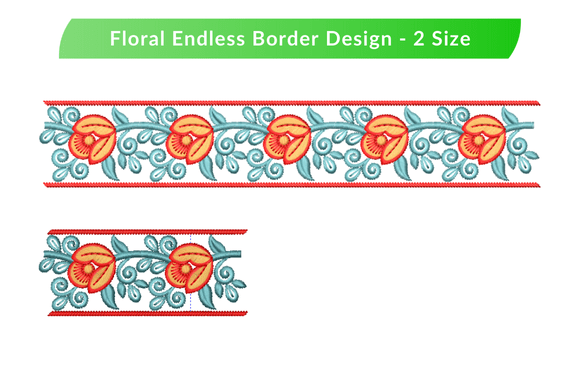
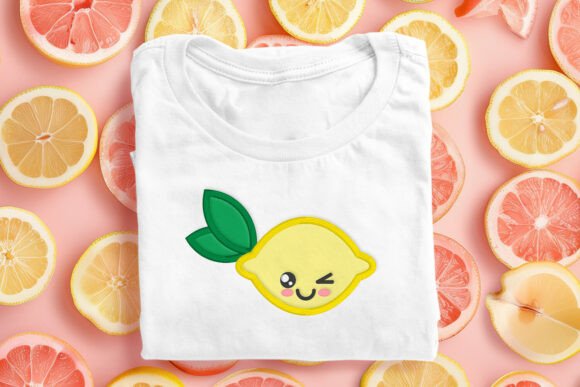
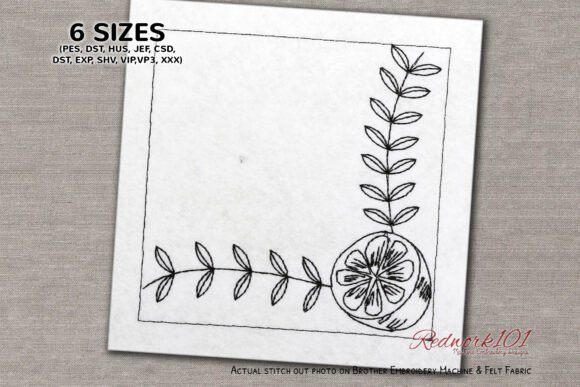
As an embroidery designer who’s prepped over 200 craft fair booths—and shipped thousands of embroidered kitchen goods—I opened Elegant Lemon Fruit Embroidery expecting charm. What I got was something sharper: a confident, balanced border design that reads as both elegant and refreshing at first glance. It avoids cutesy clichés and leans into clean botanical structure—curved lemon silhouettes, layered leaves with gentle veining, and intentional negative space. This isn’t farmhouse rustic or cartoon-bright. It’s premium-casual: the kind of design that makes a linen tea towel feel like a boutique find and turns a basic cotton tote into a summer signature piece.
Where It Shines on Craft Fair Products
Tote bags: A standout. The border works beautifully along the top hem or wrapped subtly around the base—especially in medium to large sizes. Customers notice it immediately because lemons read as cheerful *and* sophisticated, cutting through visual noise at a crowded market table.
Aprons and tea towel embroidery: Ideal for the lower corner or waistband edge. The leaf-and-fruit rhythm gives movement without overwhelming functional fabric. On textured flour-sack towels, the design holds clarity if stitched with appropriate stabilizer—no bleeding or sinking into the weave.
Embroidered patches and fabric pouches: Smaller sizes (3”–4”) translate cleanly as standalone accents. The optional box stitch adds polish for premium patch positioning—think denim jacket sleeves or drawstring pouch flaps.
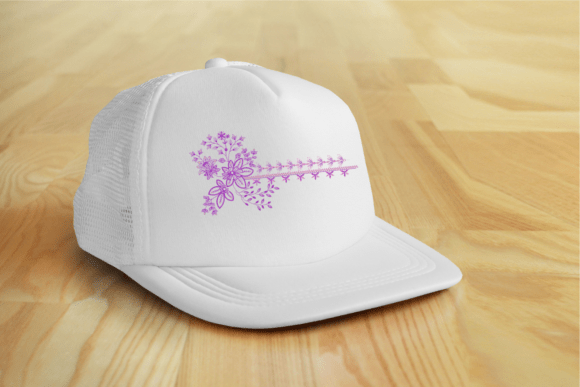
Pillow covers and caps: Use the largest size (5.5”–6”) with care—lemon curves adapt well to rounded cap surfaces *if* hooped correctly, but avoid placing stems or fine leaf tips directly over seams or high-curve zones. On pillow covers, it frames corners elegantly without competing with central motifs.
Market bags and handmade gifts: This is where Elegant Lemon Fruit Embroidery earns repeat sales. Paired with neutral canvas or oatmeal linen, it signals “thoughtful, seasonal, made-with-care”—a powerful combo for giftable items at local markets or Etsy listings.
Real-World Production & Selling Notes
This isn’t a “set-and-forget” machine embroidery design. Its strength lies in intentionality—not complexity. Here’s what matters when scaling for craft fairs or small shop production:
- Clarity at a glance: Yes—it reads instantly as “lemon + summer + quality.” No decoding needed. That’s gold for booth browsing.
- Size flexibility: With six sizes offered, you can use the same design asset across product tiers: tiny (2”) for keychain patches, mid (3.5”–4.5”) for apron hems and tea towels, large (5.5”–6”) for statement tote borders. No need to buy multiple designs.
- Photography performance: It photographs exceptionally well—especially on light natural fabrics. The contrast between citrus yellow thread and crisp white or cream fabric pops in natural light, making printable mockups and Etsy seller photos consistently strong.
- Batch repeatability: Clean line work, consistent spacing, and moderate stitch density mean fewer thread breaks, less rehooping, and smoother runs across 20+ units—critical when prepping for a weekend fair.
Careful-Use Considerations
Don’t skip testing—even elegant borders have limits:
- Avoid using the smallest sizes (<2.5”) on dark fabric; fine leaf details may blur without high-contrast thread.
- On thick or napped fabrics (like heavy canvas market bags), confirm the outer border doesn’t compress or distort—check stitch density in the leaf clusters before full production.
- Curved cap surfaces demand precise hooping and possibly reduced tension—test on scrap first. Stems and thin leaf tips are most vulnerable to stretching.
- Textured towels (e.g., waffle-weave or terry) require cutaway stabilizer and slightly slower speed to prevent skipped stitches in tight curves.
- The “optional box stitch” shown? It adds framing polish—but increases stitch count. Reserve it for premium-priced items (e.g., gift-ready pillow covers), not bulk aprons.
Why It Elevates Your Booth & Brand
Elegant Lemon Fruit Embroidery does more than decorate—it reinforces perceived value. When customers see this on a hand-stitched tea towel beside your price tag, they register “handmade quality,” not “DIY craft.” It strengthens brand consistency across product lines: same design, scaled smartly, telling one cohesive story—summer, freshness, craftsmanship. In a sea of generic florals or overused script fonts, this border stands out for its restraint and botanical authenticity. At craft fairs, it draws longer stops, more photo shares, and higher attachment rates—especially among buyers aged 30–55 who seek timeless, not trendy.
Designer-to-Designer Checklist Before You Stitch
- Test Elegant Lemon Fruit Embroidery on your *exact* fabric—same weight, same dye lot.
- Verify thread contrast: lemon yellow must pop against your base fabric, especially in smaller sizes.
- Review spacing between fruit and leaves—ensure no crowding on curved edges or tight corners.
- Confirm hoop size compatibility with your machine *and* your target product (e.g., cap hoops vs. flat-towel hoops).
- Inspect stitch density in leaf clusters—avoid overheating or puckering on lightweight linens.
- Use appropriate stabilizer: cutaway for knits and towels, tear-away for stable cottons.
- Create at least one real mockup—not just a digital preview—before listing or fair prep.
- Compare how it looks on three fabric colors (cream, oat, navy) to guide your product palette.
- Double-check commercial licensing terms—this is essential for selling finished products, especially on Etsy or wholesale.
Final Thought: A Border That Builds Belonging
In the world of craft fair products and handmade markets, Elegant Lemon Fruit Embroidery isn’t just another Borders design—it’s a quiet confidence builder. It says, “I know what good looks like, and I take time to get it right.” Whether stitched on a $28 market bag or a $65 linen pillow cover, it delivers consistent elegance, seasonal warmth, and unmistakable handmade integrity. For embroidery business owners and creative entrepreneurs, that’s not just design—it’s differentiation, done deliciously.